Uh oh, you are visiting the site using Internet Explorer. Which is an outdated browser.
For the best experience please visit the site using one of the following browsers.
ChromeSafariFirefox
Profile: Why acknowledging diverse cultural traditions matters in early childhood and how to approach Easter with inclusion and care.
Written by: Ruby Polanco
Why acknowledging diverse cultural traditions matters in early childhood and how to approach Easter with inclusion and care.
In early childhood settings, we are constantly striving to create environments where every child feels a genuine sense of belonging, where they are safe, seen, and supported to share who they are and learn from others. As adults, we understand the value of engaging with different people, perspectives and experiences. It’s what inspires us to explore the world, embrace new traditions, and appreciate the many ways of being and celebrating.
In our role as educators, we have the opportunity, and responsibility, to nurture that same sense of curiosity and respect in children. By thoughtfully acknowledging a range of cultural celebrations and approaching widely recognised events like Easter with inclusion and care, we create meaningful opportunities for every child to feel they belong.
Why Diverse Celebrations Matter
Including cultural learning and diversity in our everyday practices is essential during the early years. The EYLF guides us to support children in developing a sense of connectedness and understanding of the world around them, which is enriched through recognising and valuing diverse traditions.
When children see their own cultures reflected in the learning environment, it affirms their identity and helps them feel valued. At the same time, exposure to different cultural celebrations fosters empathy and broadens children’s understanding of the world. It teaches them that while we may have different customs and traditions, we share common values of connection, community and care.
Moving Beyond the Holiday Calendar
So, what does authentically acknowledging cultural celebrations in the classroom look like? Not every event needs to be marked with crafts and decorations. While these can be a familiar starting point in early childhood, they do not always lead to meaningful or respectful learning experiences.
At its core, authentic celebration is grounded in the relationships within your learning community. By engaging with families and colleagues in open, honest and respectful ways, educators can begin to understand which cultural events are significant to the children in their care. This collaborative approach allows celebrations to be shaped in ways that are relevant and meaningful. It might involve inviting a family member to share a story or tradition, or creating opportunities for children to explore cultural practices through conversation, shared experiences, or contributions from home.
Creating authentic experiences begins with curiosity, asking thoughtful questions, and genuinely listening to what families choose to share. In doing so, educators not only enrich the learning environment but also strengthen a shared sense of belonging across the community.
Easter as One Celebration Among Many
While Easter is widely recognised and often commercially celebrated, it is important to remember that for some families it holds deep religious significance, while others may not celebrate it at all. In Australian early childhood settings, Easter also sits within the autumn season, offering a natural opportunity to explore change in the environment.
Rather than focusing on one narrow interpretation, educators can approach Easter through broader themes such as renewal, growth and change, new life, and community. These ideas are meaningful across cultures and allow all children to engage in ways that feel comfortable and inclusive.
Some ways to explore these themes in meaningful and inclusive ways include:
Planting and growing together
Children plant seeds or herbs and care for them over time, observing how things grow and change. This supports understanding of growth, patience and renewal.
Exploring life cycles
Introduce simple life cycles such as chickens, butterflies or plants through stories, visuals or outdoor observation to explore the concept of new life and change.
Autumn nature walks, and loose parts play
Collect leaves, sticks and natural materials to explore seasonal changes, create transient art or build small habitats, encouraging connection to nature and renewal.
Kindness and community connections
Engage children in acts of kindness such as creating messages, caring for shared spaces, or contributing to a group project. These experiences reinforce a sense of community and belonging.
Creative expression inspired by nests and new life
Invite children to create nests using natural or loose parts materials such as twigs, leaves, fabric and paper. This can lead to conversations about care, new life and how living things are nurtured, while supporting creativity and imagination.
By approaching Easter in this way, it becomes part of a broader, more inclusive learning experience rather than a single, dominant celebration. It allows educators to create meaningful connections while respecting the diversity within their community.
Creating inclusive environments in early childhood is about being intentional in what we acknowledge and why. To do this, move beyond just celebrating surface-level traditions. Focus on understanding the diverse experiences within your community. This ensures every child and family feels seen and valued. The key takeaway is that intentional and thoughtful recognition creates true inclusivity, not the number of events celebrated.
Related Articles
Celebrations That Build Belonging
Why acknowledging diverse cultural traditions matters in early childhood and how to approach Easter with inclusion and care.
Why acknowledging diverse cultural traditions matters in early childhood and how to approach Easter with inclusion and care.
In early childhood settings, we are constantly striving to create environments where every child feels a genuine sense of belonging, where they are safe, seen, and supported to share who they are and learn from others. As adults, we understand the value of engaging with different people, perspectives and experiences. It’s what inspires us to explore the world, embrace new traditions, and appreciate the many ways of being and celebrating.
In our role as educators, we have the opportunity, and responsibility, to nurture that same sense of curiosity and respect in children. By thoughtfully acknowledging a range of cultural celebrations and approaching widely recognised events like Easter with inclusion and care, we create meaningful opportunities for every child to feel they belong.
Why Diverse Celebrations Matter
Including cultural learning and diversity in our everyday practices is essential during the early years. The EYLF guides us to support children in developing a sense of connectedness and understanding of the world around them, which is enriched through recognising and valuing diverse traditions.
When children see their own cultures reflected in the learning environment, it affirms their identity and helps them feel valued. At the same time, exposure to different cultural celebrations fosters empathy and broadens children’s understanding of the world. It teaches them that while we may have different customs and traditions, we share common values of connection, community and care.
Moving Beyond the Holiday Calendar
So, what does authentically acknowledging cultural celebrations in the classroom look like? Not every event needs to be marked with crafts and decorations. While these can be a familiar starting point in early childhood, they do not always lead to meaningful or respectful learning experiences.
At its core, authentic celebration is grounded in the relationships within your learning community. By engaging with families and colleagues in open, honest and respectful ways, educators can begin to understand which cultural events are significant to the children in their care. This collaborative approach allows celebrations to be shaped in ways that are relevant and meaningful. It might involve inviting a family member to share a story or tradition, or creating opportunities for children to explore cultural practices through conversation, shared experiences, or contributions from home.
Creating authentic experiences begins with curiosity, asking thoughtful questions, and genuinely listening to what families choose to share. In doing so, educators not only enrich the learning environment but also strengthen a shared sense of belonging across the community.
Easter as One Celebration Among Many
While Easter is widely recognised and often commercially celebrated, it is important to remember that for some families it holds deep religious significance, while others may not celebrate it at all. In Australian early childhood settings, Easter also sits within the autumn season, offering a natural opportunity to explore change in the environment.
Rather than focusing on one narrow interpretation, educators can approach Easter through broader themes such as renewal, growth and change, new life, and community. These ideas are meaningful across cultures and allow all children to engage in ways that feel comfortable and inclusive.
Some ways to explore these themes in meaningful and inclusive ways include:
Planting and growing together
Children plant seeds or herbs and care for them over time, observing how things grow and change. This supports understanding of growth, patience and renewal.
Exploring life cycles
Introduce simple life cycles such as chickens, butterflies or plants through stories, visuals or outdoor observation to explore the concept of new life and change.
Autumn nature walks, and loose parts play
Collect leaves, sticks and natural materials to explore seasonal changes, create transient art or build small habitats, encouraging connection to nature and renewal.
Kindness and community connections
Engage children in acts of kindness such as creating messages, caring for shared spaces, or contributing to a group project. These experiences reinforce a sense of community and belonging.
Creative expression inspired by nests and new life
Invite children to create nests using natural or loose parts materials such as twigs, leaves, fabric and paper. This can lead to conversations about care, new life and how living things are nurtured, while supporting creativity and imagination.
By approaching Easter in this way, it becomes part of a broader, more inclusive learning experience rather than a single, dominant celebration. It allows educators to create meaningful connections while respecting the diversity within their community.
Creating inclusive environments in early childhood is about being intentional in what we acknowledge and why. To do this, move beyond just celebrating surface-level traditions. Focus on understanding the diverse experiences within your community. This ensures every child and family feels seen and valued. The key takeaway is that intentional and thoughtful recognition creates true inclusivity, not the number of events celebrated.
3820 Why acknowledging diverse cultural traditions matters in early childhood and how to approach Easter with inclusion and care. Celebrations That Build Belonging 3820 Celebrations That Build Belonging Why acknowledging diverse cultural traditions matters in early childhood and how to approach Easter with inclusion and care. 3820 3 3
Why acknowledging diverse cultural traditions matters in early childhood and how to approach Easter with inclusion and care.
In early childhood settings, we are constantly striving to create environments where every child feels a genuine sense of belonging, where they are safe, seen, and supported to share who they are and learn from others. As adults, we understand the value of engaging with different people, perspectives and experiences. It’s what inspires us to explore the world, embrace new traditions, and appreciate the many ways of being and celebrating.
In our role as educators, we have the opportunity, and responsibility, to nurture that same sense of curiosity and respect in children. By thoughtfully acknowledging a range of cultural celebrations and approaching widely recognised events like Easter with inclusion and care, we create meaningful opportunities for every child to feel they belong.
Why Diverse Celebrations Matter
Including cultural learning and diversity in our everyday practices is essential during the early years. The EYLF guides us to support children in developing a sense of connectedness and understanding of the world around them, which is enriched through recognising and valuing diverse traditions.
When children see their own cultures reflected in the learning environment, it affirms their identity and helps them feel valued. At the same time, exposure to different cultural celebrations fosters empathy and broadens children’s understanding of the world. It teaches them that while we may have different customs and traditions, we share common values of connection, community and care.
Moving Beyond the Holiday Calendar
So, what does authentically acknowledging cultural celebrations in the classroom look like? Not every event needs to be marked with crafts and decorations. While these can be a familiar starting point in early childhood, they do not always lead to meaningful or respectful learning experiences.
At its core, authentic celebration is grounded in the relationships within your learning community. By engaging with families and colleagues in open, honest and respectful ways, educators can begin to understand which cultural events are significant to the children in their care. This collaborative approach allows celebrations to be shaped in ways that are relevant and meaningful. It might involve inviting a family member to share a story or tradition, or creating opportunities for children to explore cultural practices through conversation, shared experiences, or contributions from home.
Creating authentic experiences begins with curiosity, asking thoughtful questions, and genuinely listening to what families choose to share. In doing so, educators not only enrich the learning environment but also strengthen a shared sense of belonging across the community.
Easter as One Celebration Among Many
While Easter is widely recognised and often commercially celebrated, it is important to remember that for some families it holds deep religious significance, while others may not celebrate it at all. In Australian early childhood settings, Easter also sits within the autumn season, offering a natural opportunity to explore change in the environment.
Rather than focusing on one narrow interpretation, educators can approach Easter through broader themes such as renewal, growth and change, new life, and community. These ideas are meaningful across cultures and allow all children to engage in ways that feel comfortable and inclusive.
Some ways to explore these themes in meaningful and inclusive ways include:
Planting and growing together
Children plant seeds or herbs and care for them over time, observing how things grow and change. This supports understanding of growth, patience and renewal.
Exploring life cycles
Introduce simple life cycles such as chickens, butterflies or plants through stories, visuals or outdoor observation to explore the concept of new life and change.
Autumn nature walks, and loose parts play
Collect leaves, sticks and natural materials to explore seasonal changes, create transient art or build small habitats, encouraging connection to nature and renewal.
Kindness and community connections
Engage children in acts of kindness such as creating messages, caring for shared spaces, or contributing to a group project. These experiences reinforce a sense of community and belonging.
Creative expression inspired by nests and new life
Invite children to create nests using natural or loose parts materials such as twigs, leaves, fabric and paper. This can lead to conversations about care, new life and how living things are nurtured, while supporting creativity and imagination.
By approaching Easter in this way, it becomes part of a broader, more inclusive learning experience rather than a single, dominant celebration. It allows educators to create meaningful connections while respecting the diversity within their community.
Creating inclusive environments in early childhood is about being intentional in what we acknowledge and why. To do this, move beyond just celebrating surface-level traditions. Focus on understanding the diverse experiences within your community. This ensures every child and family feels seen and valued. The key takeaway is that intentional and thoughtful recognition creates true inclusivity, not the number of events celebrated.
Curious about Play Celebrations That Build Belonging Celebrations That Build Belonging
Why acknowledging diverse cultural traditions matters in early childhood and how to approach Easter with inclusion and care.
In early childhood settings, we are constantly striving to create environments where every child feels a genuine sense of belonging, where they are safe, seen, and supported to share who they are and learn from others. As adults, we understand the value of engaging with different people, perspectives and experiences. It’s what inspires us to explore the world, embrace new traditions, and appreciate the many ways of being and celebrating.
In our role as educators, we have the opportunity, and responsibility, to nurture that same sense of curiosity and respect in children. By thoughtfully acknowledging a range of cultural celebrations and approaching widely recognised events like Easter with inclusion and care, we create meaningful opportunities for every child to feel they belong.
Why Diverse Celebrations Matter
Including cultural learning and diversity in our everyday practices is essential during the early years. The EYLF guides us to support children in developing a sense of connectedness and understanding of the world around them, which is enriched through recognising and valuing diverse traditions.
When children see their own cultures reflected in the learning environment, it affirms their identity and helps them feel valued. At the same time, exposure to different cultural celebrations fosters empathy and broadens children’s understanding of the world. It teaches them that while we may have different customs and traditions, we share common values of connection, community and care.
Moving Beyond the Holiday Calendar
So, what does authentically acknowledging cultural celebrations in the classroom look like? Not every event needs to be marked with crafts and decorations. While these can be a familiar starting point in early childhood, they do not always lead to meaningful or respectful learning experiences.
At its core, authentic celebration is grounded in the relationships within your learning community. By engaging with families and colleagues in open, honest and respectful ways, educators can begin to understand which cultural events are significant to the children in their care. This collaborative approach allows celebrations to be shaped in ways that are relevant and meaningful. It might involve inviting a family member to share a story or tradition, or creating opportunities for children to explore cultural practices through conversation, shared experiences, or contributions from home.
Creating authentic experiences begins with curiosity, asking thoughtful questions, and genuinely listening to what families choose to share. In doing so, educators not only enrich the learning environment but also strengthen a shared sense of belonging across the community.
Easter as One Celebration Among Many
While Easter is widely recognised and often commercially celebrated, it is important to remember that for some families it holds deep religious significance, while others may not celebrate it at all. In Australian early childhood settings, Easter also sits within the autumn season, offering a natural opportunity to explore change in the environment.
Rather than focusing on one narrow interpretation, educators can approach Easter through broader themes such as renewal, growth and change, new life, and community. These ideas are meaningful across cultures and allow all children to engage in ways that feel comfortable and inclusive.
Some ways to explore these themes in meaningful and inclusive ways include:
Planting and growing together
Children plant seeds or herbs and care for them over time, observing how things grow and change. This supports understanding of growth, patience and renewal.
Exploring life cycles
Introduce simple life cycles such as chickens, butterflies or plants through stories, visuals or outdoor observation to explore the concept of new life and change.
Autumn nature walks, and loose parts play
Collect leaves, sticks and natural materials to explore seasonal changes, create transient art or build small habitats, encouraging connection to nature and renewal.
Kindness and community connections
Engage children in acts of kindness such as creating messages, caring for shared spaces, or contributing to a group project. These experiences reinforce a sense of community and belonging.
Creative expression inspired by nests and new life
Invite children to create nests using natural or loose parts materials such as twigs, leaves, fabric and paper. This can lead to conversations about care, new life and how living things are nurtured, while supporting creativity and imagination.
By approaching Easter in this way, it becomes part of a broader, more inclusive learning experience rather than a single, dominant celebration. It allows educators to create meaningful connections while respecting the diversity within their community.
Creating inclusive environments in early childhood is about being intentional in what we acknowledge and why. To do this, move beyond just celebrating surface-level traditions. Focus on understanding the diverse experiences within your community. This ensures every child and family feels seen and valued. The key takeaway is that intentional and thoughtful recognition creates true inclusivity, not the number of events celebrated.
n Ruby Polanco n
Why acknowledging diverse cultural traditions matters in early childhood and how to approach Easter with inclusion and care.
In early childhood settings, we are constantly striving to create environments where every child feels a genuine sense of belonging, where they are safe, seen, and supported to share who they are and learn from others. As adults, we understand the value of engaging with different people, perspectives and experiences. It’s what inspires us to explore the world, embrace new traditions, and appreciate the many ways of being and celebrating.
In our role as educators, we have the opportunity, and responsibility, to nurture that same sense of curiosity and respect in children. By thoughtfully acknowledging a range of cultural celebrations and approaching widely recognised events like Easter with inclusion and care, we create meaningful opportunities for every child to feel they belong.
Why Diverse Celebrations Matter
Including cultural learning and diversity in our everyday practices is essential during the early years. The EYLF guides us to support children in developing a sense of connectedness and understanding of the world around them, which is enriched through recognising and valuing diverse traditions.
When children see their own cultures reflected in the learning environment, it affirms their identity and helps them feel valued. At the same time, exposure to different cultural celebrations fosters empathy and broadens children’s understanding of the world. It teaches them that while we may have different customs and traditions, we share common values of connection, community and care.
Moving Beyond the Holiday Calendar
So, what does authentically acknowledging cultural celebrations in the classroom look like? Not every event needs to be marked with crafts and decorations. While these can be a familiar starting point in early childhood, they do not always lead to meaningful or respectful learning experiences.
At its core, authentic celebration is grounded in the relationships within your learning community. By engaging with families and colleagues in open, honest and respectful ways, educators can begin to understand which cultural events are significant to the children in their care. This collaborative approach allows celebrations to be shaped in ways that are relevant and meaningful. It might involve inviting a family member to share a story or tradition, or creating opportunities for children to explore cultural practices through conversation, shared experiences, or contributions from home.
Creating authentic experiences begins with curiosity, asking thoughtful questions, and genuinely listening to what families choose to share. In doing so, educators not only enrich the learning environment but also strengthen a shared sense of belonging across the community.
Easter as One Celebration Among Many
While Easter is widely recognised and often commercially celebrated, it is important to remember that for some families it holds deep religious significance, while others may not celebrate it at all. In Australian early childhood settings, Easter also sits within the autumn season, offering a natural opportunity to explore change in the environment.
Rather than focusing on one narrow interpretation, educators can approach Easter through broader themes such as renewal, growth and change, new life, and community. These ideas are meaningful across cultures and allow all children to engage in ways that feel comfortable and inclusive.
Some ways to explore these themes in meaningful and inclusive ways include:
Planting and growing together
Children plant seeds or herbs and care for them over time, observing how things grow and change. This supports understanding of growth, patience and renewal.
Exploring life cycles
Introduce simple life cycles such as chickens, butterflies or plants through stories, visuals or outdoor observation to explore the concept of new life and change.
Autumn nature walks, and loose parts play
Collect leaves, sticks and natural materials to explore seasonal changes, create transient art or build small habitats, encouraging connection to nature and renewal.
Kindness and community connections
Engage children in acts of kindness such as creating messages, caring for shared spaces, or contributing to a group project. These experiences reinforce a sense of community and belonging.
Creative expression inspired by nests and new life
Invite children to create nests using natural or loose parts materials such as twigs, leaves, fabric and paper. This can lead to conversations about care, new life and how living things are nurtured, while supporting creativity and imagination.
By approaching Easter in this way, it becomes part of a broader, more inclusive learning experience rather than a single, dominant celebration. It allows educators to create meaningful connections while respecting the diversity within their community.
Creating inclusive environments in early childhood is about being intentional in what we acknowledge and why. To do this, move beyond just celebrating surface-level traditions. Focus on understanding the diverse experiences within your community. This ensures every child and family feels seen and valued. The key takeaway is that intentional and thoughtful recognition creates true inclusivity, not the number of events celebrated.
Curious about Play Celebrations That Build Belonging 3820 2 Celebrations That Build Belonging Why acknowledging diverse cultural traditions matters in early childhood and how to approach Easter with inclusion and care. Why acknowledging diverse cultural traditions matters in early childhood and how to approach Easter with inclusion and care. blog 3 Blog Post 2026-03-24 00:00:00 2026-03-24 12:25:24
Why acknowledging diverse cultural traditions matters in early childhood and how to approach Easter with inclusion and care.
In early childhood settings, we are constantly striving to create environments where every child feels a genuine sense of belonging, where they are safe, seen, and supported to share who they are and learn from others. As adults, we understand the value of engaging with different people, perspectives and experiences. It’s what inspires us to explore the world, embrace new traditions, and appreciate the many ways of being and celebrating.
In our role as educators, we have the opportunity, and responsibility, to nurture that same sense of curiosity and respect in children. By thoughtfully acknowledging a range of cultural celebrations and approaching widely recognised events like Easter with inclusion and care, we create meaningful opportunities for every child to feel they belong.
Why Diverse Celebrations Matter
Including cultural learning and diversity in our everyday practices is essential during the early years. The EYLF guides us to support children in developing a sense of connectedness and understanding of the world around them, which is enriched through recognising and valuing diverse traditions.
When children see their own cultures reflected in the learning environment, it affirms their identity and helps them feel valued. At the same time, exposure to different cultural celebrations fosters empathy and broadens children’s understanding of the world. It teaches them that while we may have different customs and traditions, we share common values of connection, community and care.
Moving Beyond the Holiday Calendar
So, what does authentically acknowledging cultural celebrations in the classroom look like? Not every event needs to be marked with crafts and decorations. While these can be a familiar starting point in early childhood, they do not always lead to meaningful or respectful learning experiences.
At its core, authentic celebration is grounded in the relationships within your learning community. By engaging with families and colleagues in open, honest and respectful ways, educators can begin to understand which cultural events are significant to the children in their care. This collaborative approach allows celebrations to be shaped in ways that are relevant and meaningful. It might involve inviting a family member to share a story or tradition, or creating opportunities for children to explore cultural practices through conversation, shared experiences, or contributions from home.
Creating authentic experiences begins with curiosity, asking thoughtful questions, and genuinely listening to what families choose to share. In doing so, educators not only enrich the learning environment but also strengthen a shared sense of belonging across the community.
Easter as One Celebration Among Many
While Easter is widely recognised and often commercially celebrated, it is important to remember that for some families it holds deep religious significance, while others may not celebrate it at all. In Australian early childhood settings, Easter also sits within the autumn season, offering a natural opportunity to explore change in the environment.
Rather than focusing on one narrow interpretation, educators can approach Easter through broader themes such as renewal, growth and change, new life, and community. These ideas are meaningful across cultures and allow all children to engage in ways that feel comfortable and inclusive.
Some ways to explore these themes in meaningful and inclusive ways include:
Planting and growing together
Children plant seeds or herbs and care for them over time, observing how things grow and change. This supports understanding of growth, patience and renewal.
Exploring life cycles
Introduce simple life cycles such as chickens, butterflies or plants through stories, visuals or outdoor observation to explore the concept of new life and change.
Autumn nature walks, and loose parts play
Collect leaves, sticks and natural materials to explore seasonal changes, create transient art or build small habitats, encouraging connection to nature and renewal.
Kindness and community connections
Engage children in acts of kindness such as creating messages, caring for shared spaces, or contributing to a group project. These experiences reinforce a sense of community and belonging.
Creative expression inspired by nests and new life
Invite children to create nests using natural or loose parts materials such as twigs, leaves, fabric and paper. This can lead to conversations about care, new life and how living things are nurtured, while supporting creativity and imagination.
By approaching Easter in this way, it becomes part of a broader, more inclusive learning experience rather than a single, dominant celebration. It allows educators to create meaningful connections while respecting the diversity within their community.
Creating inclusive environments in early childhood is about being intentional in what we acknowledge and why. To do this, move beyond just celebrating surface-level traditions. Focus on understanding the diverse experiences within your community. This ensures every child and family feels seen and valued. The key takeaway is that intentional and thoughtful recognition creates true inclusivity, not the number of events celebrated.
0 3820 Celebrations That Build Belonging
Why acknowledging diverse cultural traditions matters in early childhood and how to approach Easter with inclusion and care.
In early childhood settings, we are constantly striving to create environments where every child feels a genuine sense of belonging, where they are safe, seen, and supported to share who they are and learn from others. As adults, we understand the value of engaging with different people, perspectives and experiences. It’s what inspires us to explore the world, embrace new traditions, and appreciate the many ways of being and celebrating.
In our role as educators, we have the opportunity, and responsibility, to nurture that same sense of curiosity and respect in children. By thoughtfully acknowledging a range of cultural celebrations and approaching widely recognised events like Easter with inclusion and care, we create meaningful opportunities for every child to feel they belong.
Why Diverse Celebrations Matter
Including cultural learning and diversity in our everyday practices is essential during the early years. The EYLF guides us to support children in developing a sense of connectedness and understanding of the world around them, which is enriched through recognising and valuing diverse traditions.
When children see their own cultures reflected in the learning environment, it affirms their identity and helps them feel valued. At the same time, exposure to different cultural celebrations fosters empathy and broadens children’s understanding of the world. It teaches them that while we may have different customs and traditions, we share common values of connection, community and care.
Moving Beyond the Holiday Calendar
So, what does authentically acknowledging cultural celebrations in the classroom look like? Not every event needs to be marked with crafts and decorations. While these can be a familiar starting point in early childhood, they do not always lead to meaningful or respectful learning experiences.
At its core, authentic celebration is grounded in the relationships within your learning community. By engaging with families and colleagues in open, honest and respectful ways, educators can begin to understand which cultural events are significant to the children in their care. This collaborative approach allows celebrations to be shaped in ways that are relevant and meaningful. It might involve inviting a family member to share a story or tradition, or creating opportunities for children to explore cultural practices through conversation, shared experiences, or contributions from home.
Creating authentic experiences begins with curiosity, asking thoughtful questions, and genuinely listening to what families choose to share. In doing so, educators not only enrich the learning environment but also strengthen a shared sense of belonging across the community.
Easter as One Celebration Among Many
While Easter is widely recognised and often commercially celebrated, it is important to remember that for some families it holds deep religious significance, while others may not celebrate it at all. In Australian early childhood settings, Easter also sits within the autumn season, offering a natural opportunity to explore change in the environment.
Rather than focusing on one narrow interpretation, educators can approach Easter through broader themes such as renewal, growth and change, new life, and community. These ideas are meaningful across cultures and allow all children to engage in ways that feel comfortable and inclusive.
Some ways to explore these themes in meaningful and inclusive ways include:
Planting and growing together
Children plant seeds or herbs and care for them over time, observing how things grow and change. This supports understanding of growth, patience and renewal.
Exploring life cycles
Introduce simple life cycles such as chickens, butterflies or plants through stories, visuals or outdoor observation to explore the concept of new life and change.
Autumn nature walks, and loose parts play
Collect leaves, sticks and natural materials to explore seasonal changes, create transient art or build small habitats, encouraging connection to nature and renewal.
Kindness and community connections
Engage children in acts of kindness such as creating messages, caring for shared spaces, or contributing to a group project. These experiences reinforce a sense of community and belonging.
Creative expression inspired by nests and new life
Invite children to create nests using natural or loose parts materials such as twigs, leaves, fabric and paper. This can lead to conversations about care, new life and how living things are nurtured, while supporting creativity and imagination.
By approaching Easter in this way, it becomes part of a broader, more inclusive learning experience rather than a single, dominant celebration. It allows educators to create meaningful connections while respecting the diversity within their community.
Creating inclusive environments in early childhood is about being intentional in what we acknowledge and why. To do this, move beyond just celebrating surface-level traditions. Focus on understanding the diverse experiences within your community. This ensures every child and family feels seen and valued. The key takeaway is that intentional and thoughtful recognition creates true inclusivity, not the number of events celebrated.
Ruby Polanco Celebrations That Build Belonging 3820 Why acknowledging diverse cultural traditions matters in early childhood and how to approach Easter with inclusion and care. 2718 2718 2718 0 0 Why acknowledging diverse cultural traditions matters in early childhood and how to approach Easter with inclusion and care. 1711 Why acknowledging diverse cultural traditions matters in early childhood and how to approach Easter with inclusion and care. blog-style-2 /assets/webshop/cms/20/3820.jpg?1774315058(CODE) /assets/webshop/cms/20/3820-1.jpg?1774315058(CODE) /assets/webshop/cms/20/3820-1.jpg?1774315058(CODE) 0 2026-03-24 12:25:24 Celebrations That Build Belonging https://www.bellbirdkidz.com.au/blog/curious-about-play/celebrations-that-build-belonging/ 1 6434a72f4cd2dfdbd2c0b3cd565ded05 0 1 1 Integration_Deprecated::AccLib OTHER {"trial":{"configs":{"main:L10N_DATETIME_FORMAT":"dd-mm-yyyy","main:L10N_DATETIME_ENABLED":1},"planSku":"TRIAL","licences":{"ALLOW_SAMPLE_DATA":1,"INITIAL_APP_ECOMMERCE":1,"LICENSE_APP_PROMOTION":1,"LICENSE_APP_USER_GROUPS":1,"USE_SUBSCRIPTION_SYSTEM":"EXTERNAL","LICENSE_APP_COMBINE_ORDER":1,"LICENSE_APP_MULTILEVEL_PRICING":1,"REQUIRED_FORM_BUSINESS_DETAILS":1},"trialExpiryDays":"14","showOnboardingForms":"merchant","allowSubscriptionChanges":"merchant","subscriptionChangesRedirectUrl":"https:\/\/www.netohq.com\/au\/contact","subscriptionChangesContactUsUrl":"https:\/\/www.netohq.com\/au\/contact"},"cpanelTemplates":{"netoBillingPortalLink":"Legacy Billing Portal"},"cpanelRestrictions":{"addons":{"blacklist":[5,156,157,157,158,161,163,164,165,166,167,168,169,170,171,172,236,240,243,251,253,254,255,256,256,257,257,258,259,260,261,262,283,303]}}} 2026-04-13 21:06:19 /_myacct 1 1 1 0 sales@neto.com.au marketing 15 ebay free asset 0 0 1 0 1 1 1 1 0 0 1 1 1 y 1 0 apptizer Apptizer 8 0 0 0 0 0 0 10 0 trent@bellbird.com.au 0 8 270256 8 8 1 1 1 0 0 https://www.bellbirdkidz.com.au/blog/curious-about-play/celebrations-that-build-belonging/ 1 5 C 0 0 1 0 1 0 1 0 1 1 left 1 0 0 required 0 0 0 1 1 1 Subscribe to our newsletter and we'll keep you up to date on our products and services. 1 0 /_mycart 0 0 0 52 006 761 495 46 Commercial Drive, Lynbrook VIC 3975 Dean's Pty Ltd t/as Bellbird Kid-Z Educational Resources 083 781 National Australia Bank 730100775 enquire@bellbird.com.au 03 9799 9533 Bellbird Early Educational Resources 1300 365 268 46 Commercial Drive, Lynbrook VIC 3975 cp 3 0 0 1 managed 1 /_cpanel Account Credit production 3820 1 0 3820 content /blog/curious-about-play/celebrations-that-build-belonging/ 0 sandbox 0 0 0 1 1 AU AUD sales 2022-bellbirdkids m category WS default AUSPOST 1 8 7 4 default 0 0 sortorder 1 8 sortbycol gallery ea 1 Prepaid 0 Staging 0 1 cm m3 km m kg 0 system https://design.neto.com.au/assets/themerepos5-ebay/ 0 3 Integration::Ebay 1 bellbirdkidz.com.au www.bellbirdkidz.com.au 0 1 1 1 0 0 1 0 1 1 1 0 0 0 0 0 1 1 1 1 1 1 1 1 0 0 0 1 0 1 0 0 0 1 0 0 0 0 0 1 0 export https://www.facebook.com/bellbirdeducationalresources/ fax_logo.gif Feedback Request 1 1 FREE FREE FREE AIzaSyC3Pep87jmCbuirH_G2_Ftd0f5A08cUYpw 1.1 0 0 0 0 0 3 5.00 home www.bellbirdkidz.com.au 1 0 0 0 0 white 100x100 140x100 300x66 1600 1600 600 100 900x600 80x80 437 372 220 100 180 nntwmtk9
Oops!
INTERNAL ERROR''An internal error has occured. Please call technical support if you continue to get this message.


 100% Australian & Family Owned



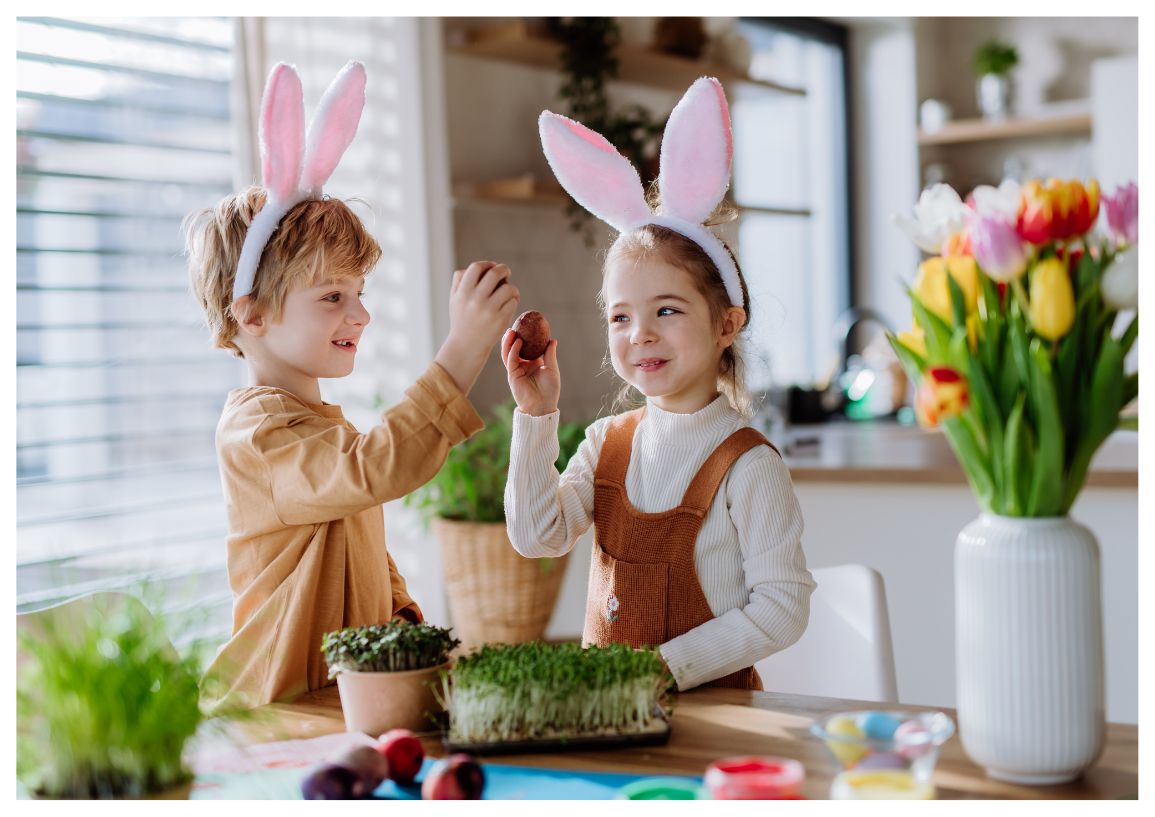 supported to share who they are and learn from others. As adults, we understand the value of engaging with different people, perspectives and experiences. It’s what inspires us to explore the world, embrace new traditions, and appreciate the many ways of being and celebrating.
(2).jpg) can be a familiar starting point in early childhood, they do not always lead to meaningful or respectful learning experiences.
can be a familiar starting point in early childhood, they do not always lead to meaningful or respectful learning experiences..jpg)